Understanding different types of scaffolding (e.g., supported, suspended, mobile) and their components (e.g., tubes, couplers, platforms).
Learning proper techniques for assembling, using, and taking down scaffolding, ensuring stability and preventing accidents.
Developing skills to identify potential hazards, inspect scaffolding for safety, and conduct necessary maintenance.
Understanding and implementing fall protection measures, including personal fall arrest systems (PFAS) and other safety equipment.
Familiarizing with OSHA, ANSI, and other applicable regulations and standards related to scaffolding.
Ensuring safe and proper access and egress points on scaffolding structures.
Learning about load-bearing capacities of scaffolding and factors affecting stability, such as the 3-to-1 rule.
Developing the ability to identify potential hazards associated with scaffolding work and assess associated risks.
Understanding emergency procedures related to scaffolding, including rescue plans.
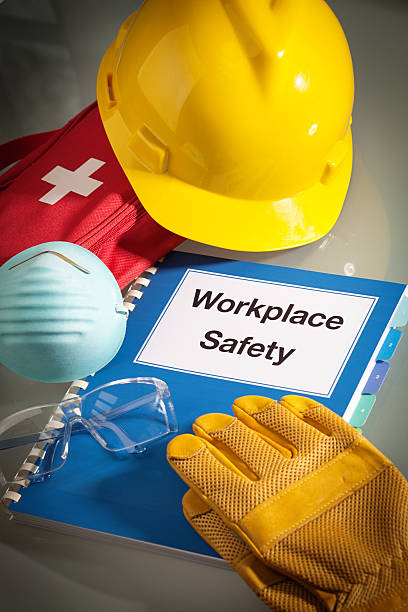
Knowing the appropriate PPE for scaffolding work and its proper use.
Construction workers using scaffolding, Scaffold erectors and dismantlers, Construction site managers and supervisors, Safety officers and coordinators, and Safety consultants.
A scaffolding safety course aims to equip participants with the knowledge and skills necessary to erect, inspect, and dismantle scaffolding structures safely, minimizing workplace risks in construction and industrial settings.
These courses cover various aspects, including scaffold types, components, inspection procedures, fall protection, and relevant regulations.