Identifying hazards associated with working at height, including potential fall risks, falling objects, and environmental factors.
Implementing measures to eliminate or minimize identified hazards, such as using appropriate safety equipment and establishing safe work procedures.
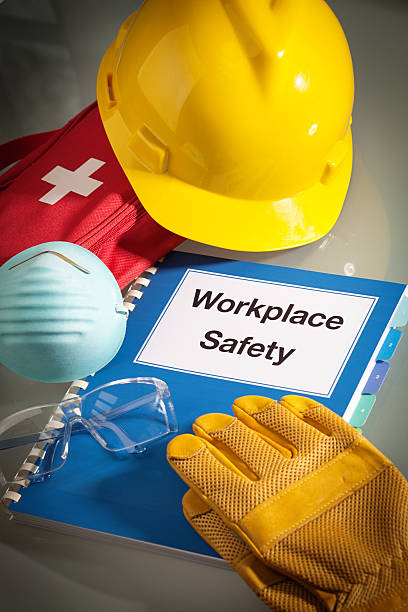
Learning the correct methods for using personal protective equipment (PPE) like harnesses, lanyards, and helmets, as well as collective protection systems such as guardrails and safety nets.
Understanding different types of fall protection systems (fall arrest, fall restraint, work positioning) and their appropriate application.
Learning how to safely use ladders, scaffolding, and other access equipment, including inspection requirements and safe work practices.
Developing the ability to respond effectively to accidents or incidents, including rescue procedures.
Gaining knowledge of relevant safety legislation and guidelines pertaining to working at height.
A Work at Height Safety course equips participants with the knowledge and skills to perform tasks at elevated locations safely, minimizing the risk of falls and injuries.
These courses cover various aspects, including risk assessment, equipment use, and emergency procedures.